

More information / Press / Speaker interviews / Interview with Jamie Baldasera: VP Technology & Product Delivery at NCB Hazcheck
Interview with Jamie Baldasera: VP Technology & Product Delivery at NCB Hazcheck
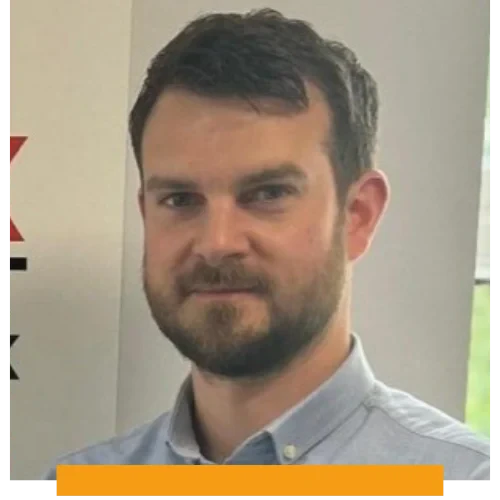
Interviewee's name: Jamie Baldasera
Interviewee's website: https://hazcheck.com
Q: How does NCB Hazcheck use technology to identify misdeclared dangerous goods?
A: We take a prevention-first approach. Hazcheck Detect uses AI to scan cargo bookings against over 200 million historical records, looking for vague or unusual descriptions that could hide dangerous goods. But we don’t rely on AI alone, our inspectors and surveyors provide the human validation that ensures those risks are properly assessed.
And because we work with carriers and shippers directly, we build the feedback from real-world cases back into the system, making the AI more accurate over time.
Q: What trends are you seeing in the types of cargo that pose the greatest safety risks?
A: The biggest risks are often from everyday goods when they’re not declared correctly. Right now, we see:
- Lithium-ion batteries in electronics and vehicles.
- Chemicals hidden in consumer products like cosmetics and paints.
- New energy cargoes such as EVs and alternative fuels.
The pattern is that risk increases when cargo is misdeclared or hidden, leaving crews and ports blind to what they’re handling. That’s why prevention matters, combining AI, inspections, and collaboration with shippers to keep cargo transparent.
Q: How do you collaborate with carriers and shippers to ensure compliance?
A: Prevention only works if everyone plays a part. Hazcheck Detect succeeded because carriers agreed to share data anonymously, creating a global safety net. Our surveyors and inspectors also work with shippers directly, providing training and practical support to help them declare correctly.
AI gives us scale, inspections provide assurance, and collaboration builds the trust to make it all work. That combination is how compliance moves from being a box-ticking exercise to a genuine safety culture.
Q: What are the limitations of current fire detection systems in containers?
A: Hardware, IOT, and fire detection isn’t something that we get involved with as a software provider. We do however try to prevent the fire happening at all through our IMDG regulations segregation checks, helping vessel planning is abiding by the regulations.
Q: What will you discuss during your session at Intermodal Europe?
A: In my session, I’ll be focusing on how digitalisation and AI are reshaping dangerous goods safety through a prevention-first approach. Tools like Hazcheck Detect and OCR-based inspections can flag risks early, even at the booking stage, giving carriers and shippers the chance to act before cargo is loaded. But technology on its own isn’t enough — human expertise through inspections and surveyors remains vital to ensure accuracy and accountability. What really makes the difference is collaboration across the industry, turning isolated tools into a global system of resilience. The message is simple: AI, people, and partnerships together make prevention stronger than detection alone.