

More information / Press / Speaker interviews / Interview with Olaf Habert: Director of Container Applications at Hapag-Lloyd
Interview with Olaf Habert: Director of Container Applications at Hapag-Lloyd
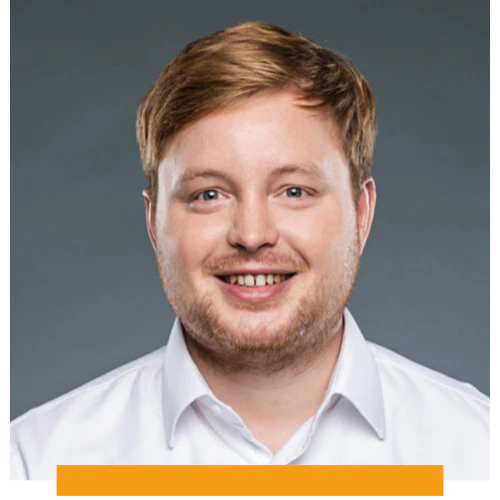
Interviewee's name: Olaf Habert
Interviewee's website: https://www.hapag-lloyd.com/en/home.html
Q: What challenges have you faced in integrating smart container data into legacy systems or platforms?
A: Data normalization challenges: Especially a mixed fleet of containers and devices means you have to ingest data from different sources in different formats. To make it really useable internally we needed to normalize data in one format. This requires to really understand the data itself, what is says, and what its limitations are. If that’s not done correctly one risks loosing a lot of valuable insights.
Q: How are smart containers enabling new service offerings or business models for shipping lines and logistics providers?
A: In Hapag-Lloyd, smart containers enable both our customers to receive true real-time tracking and prediction data on container level as well as internal improvements. This finally is an option to tackle supply chain challenges that customers face but lacked the data for it so far. In addition, we are using the data internally to optimize processes, create truly accurate information, and understand how we can help our customers optimize their own logistics.
Q: What role is AI or predictive analytics playing in interpreting smart container data?
A: Simply said: a significant one. The sheer amount of datapoints means you need to be able to separate important from unimportant data. Otherwise you risk drowning in information. The capability of using smart container data to predict things becomes more relevant later, once you understand what is going on and how this data can help you optimize processes.
Q: How can we ensure data accuracy and integrity across different stakeholders in the supply chain?
A: I believe we need to talk more about what we mean by data accuracy and integrity when it comes to smart containers. While those are important terms, they are also buzzwords today and we risk hiding where they really matter. For us, it becomes increasingly important that for example GPS and timestamp data cannot be tampered with and is protected against unauthorized access.
Q: What will you discuss during your session at Intermodal Europe?
A: We are looking forward to discussing how smart container are already helping us to improve and optimize our business – but also why we believe that the industry needs to continue to invest into technology and data skills. If we continue to accept ‘wait and see’ as a valid strategy for shipping, we are losing out on innovation potential.